
Introduction
Berberine is a fascinating bioactive compound found in several plants, including European goldenseal, barberry, and Oregon grape root. Belonging to a class of plant chemicals called alkaloids, berberine boasts a long history of use in Traditional Chinese Medicine (TCM) for various ailments.
In recent years, scientific research has begun to shed light on the potential health benefits of berberine, particularly its impact on blood sugar management. This surge in interest has propelled berberine from a time-honored TCM remedy to a natural supplement attracting significant attention worldwide.
Here, we delve deeper into the world of berberine, exploring its historical roots, its potential to support healthy blood sugar levels, and the growing body of research investigating its broader health applications.
Historical Spotlight: Berberine in Traditional Chinese Medicine (TCM)
For centuries, TCM practitioners have relied on berberine-containing plants to address various health concerns, including diarrhea, bacterial infections, and inflammatory conditions. These traditional uses laid the groundwork for modern scientific exploration of berberine's potential health benefits.
The Modern Allure: Unveiling Berberine's Potential
As scientific understanding of berberine's properties expands, its potential applications continue to unfold. While its impact on blood sugar management remains a key area of interest, emerging research suggests berberine may hold promise for various health concerns beyond blood sugar control. We will explore these exciting possibilities in detail throughout this article.
Berberine's rise to prominence is largely fueled by its potential to support healthy blood sugar levels. Let's delve into this exciting area and explore other promising benefits that research suggests berberine may offer.
2.1 Blood Sugar Management: A Multifaceted Approach
High blood sugar, a hallmark of diabetes and prediabetes, can pose significant health risks. Berberine appears to work on multiple fronts to potentially improve blood sugar control.
Clinical Comparisons: Berberine vs. Established Medications
Several studies have compared the effectiveness of berberine to conventional diabetes medications, such as metformin. While more research is needed, some studies suggest that berberine may be as effective as metformin in lowering blood sugar levels. It's important to note that berberine should not be considered a replacement for prescribed medications.
2.2 Beyond Blood Sugar: A Spectrum of Potential Benefits
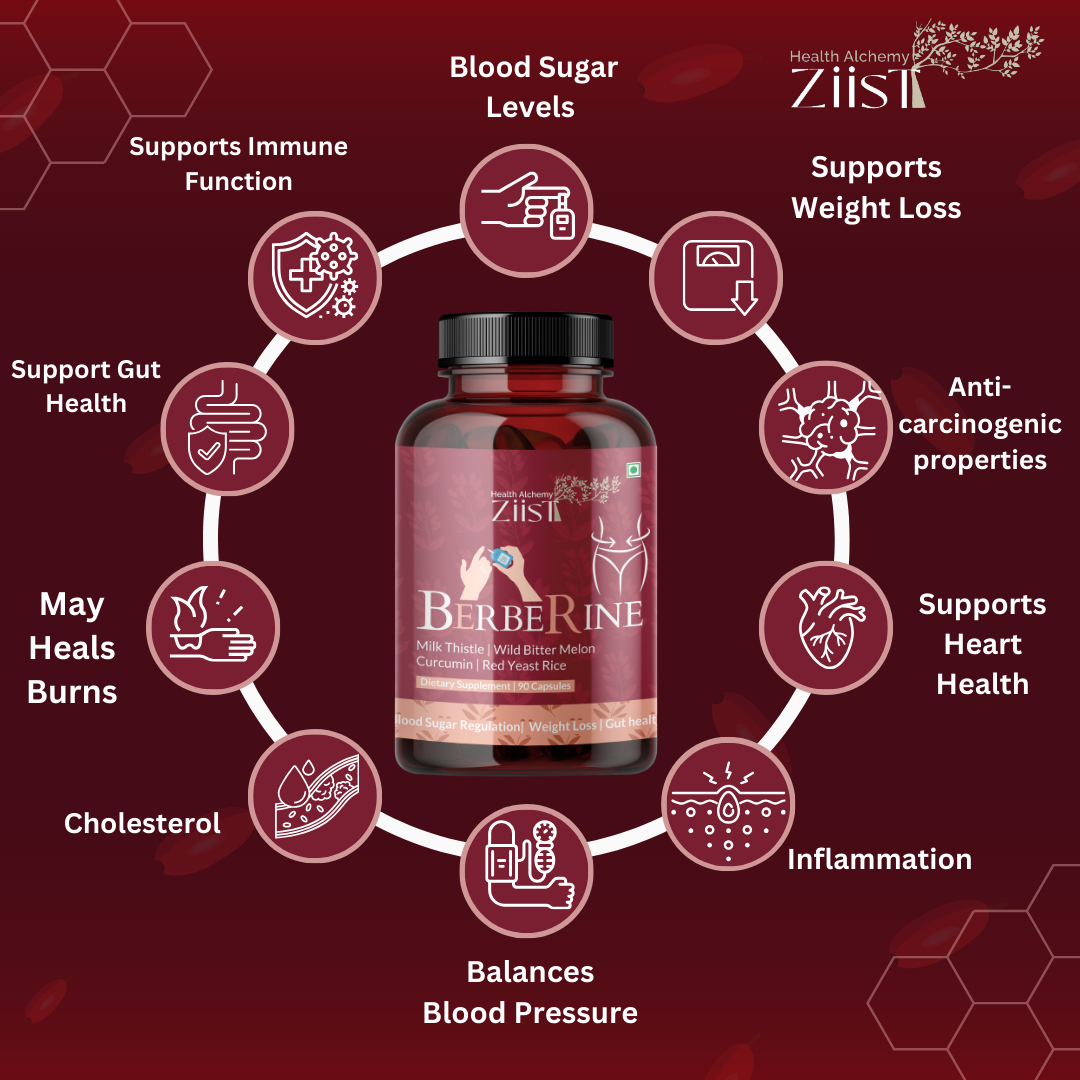
The potential health benefits of berberine extend beyond blood sugar management. Here are some emerging areas of research:
The potential benefits of berberine are intriguing, but how does this natural compound exert its effects in the body? Let's embark on a scientific exploration to understand the mechanisms behind berberine's magic.
3.1 From Supplement to Cellular Action: How Berberine Works
Berberine's journey begins in the digestive system. Once absorbed, it interacts with cells throughout the body, influencing various metabolic processes. Here's a glimpse into some key mechanisms:
3.2 Unveiling the Evidence: Studies and Clinical Trials
A growing body of research is investigating the effectiveness of berberine for various health concerns. Clinical trials involving human participants are crucial for validating its potential benefits. These studies explore factors like dosage, duration of supplementation, and potential side effects.
3.3 Addressing the Limitations: The Need for More Research
While the current research on berberine is promising, it's important to acknowledge limitations. Many studies involve relatively small participant groups, and longer-term studies are needed to confirm the long-term safety and efficacy of berberine supplementation.
Berberine's potential benefits are captivating, but before incorporating it into your routine, it's crucial to understand proper usage and potential drawbacks. This section will equip you with the knowledge you need to make informed decisions.
4.1 Finding the Right Dose: How Much Berberine is Enough?
There is currently no universally established dosage for berberine supplementation. However, research suggests a range of 1,000-1,500 mg per day may be effective for blood sugar management. Many berberine supplements come in capsule form, with each capsule containing around 500mg. Supplement labels often recommend taking berberine three times a day before meals, totaling the recommended daily intake.
It's important to remember that this is a general guideline. Consulting a healthcare professional is vital to determine the appropriate dosage for your individual needs and health situation. They can consider factors like your overall health, medications you're taking, and any potential interactions.
4.2 Navigating Side Effects: What to Expect
Most people tolerate berberine well at recommended dosages. However, some may experience digestive side effects, including:
These side effects are often mild and temporary, and may lessen with continued use or by taking berberine with meals. If you experience severe or persistent side effects, discontinue use and consult your doctor.
4.3 Important Drug Interactions: Knowing When to Be Cautious
Berberine may interact with certain medications. If you take any medications, it's crucial to speak to your doctor before starting berberine supplementation. Here are some potential interactions to be aware of:
This section addresses common questions people have when researching Berberine:
While generally well-tolerated, Berberine may not be suitable for everyone. Pregnant or breastfeeding women, individuals with certain medical conditions (liver or kidney disease), and those taking specific medications should avoid Berberine unless explicitly advised by a doctor.
Early research suggests Berberine may play a role in weight management. Potential mechanisms include regulating blood sugar, promoting healthy gut bacteria, and potentially influencing metabolism. However, more robust studies are needed to definitively confirm these effects. If weight loss is your goal, Berberine should be used alongside a healthy diet and exercise plan.
Studies suggest Berberine may be as effective as some medications like metformin in lowering blood sugar. However, it's important to note that Berberine is not a replacement for prescribed medications. Always consult your doctor to determine the best course of treatment for your individual needs.
Berberine supplements are becoming increasingly available. Look for reputable brands at health food stores, online retailers, or pharmacies. When choosing a supplement, ensure it comes from a trusted source and offers clear labeling regarding dosage and ingredients.
Berberine's journey from a time-honored TCM remedy to a subject of scientific exploration is captivating. The potential benefits, particularly its impact on blood sugar management, have garnered significant interest. Emerging research suggests berberine may hold promise for various health concerns beyond blood sugar control.
However, it's crucial to remember that berberine is not a magic bullet. While the current research is promising, larger-scale studies are needed to definitively confirm its long-term safety and efficacy for various applications.
Here are some key takeaways:
Remember, this information is intended for educational purposes only and should not be a substitute for professional medical advice. Always consult your doctor before making any changes to your diet, supplement routine, or treatment plan.
Looking Ahead: The Future of Berberine Research
As scientific inquiry continues, we can expect further exploration into the potential applications of berberine. Here are some exciting possibilities for future research:
The future of berberine research is brimming with possibilities. As we continue to learn more about this fascinating natural compound, its potential to contribute to a healthier future seems bright.
Perks, first drops, sleep science.
shut up & sleep
Also Available on


© 2026 ZIIST. All rights reserved.
theziist.com