Screens are now unavoidable. Whether it’s smartphones, laptops, TVs, or LED lights — nearly every part of our day involves digital exposure. While technology keeps us connected and productive, it also emits something we rarely think about: blue shade light.
Blue shade light can boost alertness during the day, but excessive exposure — especially in the evening — disrupts sleep, affects melatonin production, and interferes with the circadian rhythm. For millions of people, this is one of the hidden reasons behind poor sleep, mood shifts, and constant fatigue.
Fortunately, science-backed solutions like Ziist Blue Light Blocking Shades help filter harmful wavelengths and protect your sleep cycle without compromising screen use.
Blue shade light is a high-energy visible (HEV) light ranging from 400–500 nm. Natural blue light from the sun helps regulate our internal clock. However, artificial blue light from digital screens and LED bulbs mimics daylight signals long after sunset.
This confuses your brain, making it harder to wind down — even when you feel tired.
Key sources of artificial blue shade light include:
Smartphones
Computers
TVs
Tablets
LED & fluorescent bulbs
Exposure during daytime can be beneficial. But nighttime exposure? That’s where the problems begin.

Melatonin is the hormone that tells your body it’s time to sleep. Blue shade light blocks melatonin release, delaying sleep onset and reducing overall sleep quality.
Research from the Journal of Clinical Endocrinology & Metabolism found that even one hour of screen exposure can significantly suppress melatonin.
Your internal clock aligns with natural light patterns — bright during the day, dim at night. Evening blue shade light tricks your brain into thinking it’s daytime, keeping you mentally alert when you should be winding down.
Blue light penetrates deeper into the eye, increasing strain, dryness, and fatigue. Eye discomfort in the evening signals overstimulation, further interfering with relaxation.
Cortisol should naturally decrease at night. But blue shade light triggers the brain’s alert response, increasing cortisol levels when your body should be preparing for sleep.
This results in:
Overthinking
Nighttime anxiety
Difficulty relaxing
Shallow, interrupted sleep
Poor sleep directly affects mood and emotional well-being. Studies link evening blue shade light exposure to:
Higher irritability
Lower stress tolerance
Greater anxiety
Reduced focus
Increased fatigue
When melatonin is suppressed, serotonin balance is affected too — impacting mood stability and emotional resilience.
For more insights on anxiety and nighttime calm, explore this Ziist article:
👉 Experts Reveal the Truth About Sleep Supplements Magnesium for Anxiety
Managing screen exposure alongside proper mineral support (like magnesium) can create a powerful system for better sleep and mood stability.
Here’s what happens when you scroll or work late at night:
Blue shade light activates brain pathways responsible for attention and cognitive stimulation.
Melatonin production slows, making it hard to fall asleep naturally.
Even if you do fall asleep, deep sleep cycles get disrupted.
Interrupted sleep reduces REM and slow-wave sleep — crucial for memory, healing, and energy.
That’s why many people wake up tired, even after spending 7–8 hours in bed.

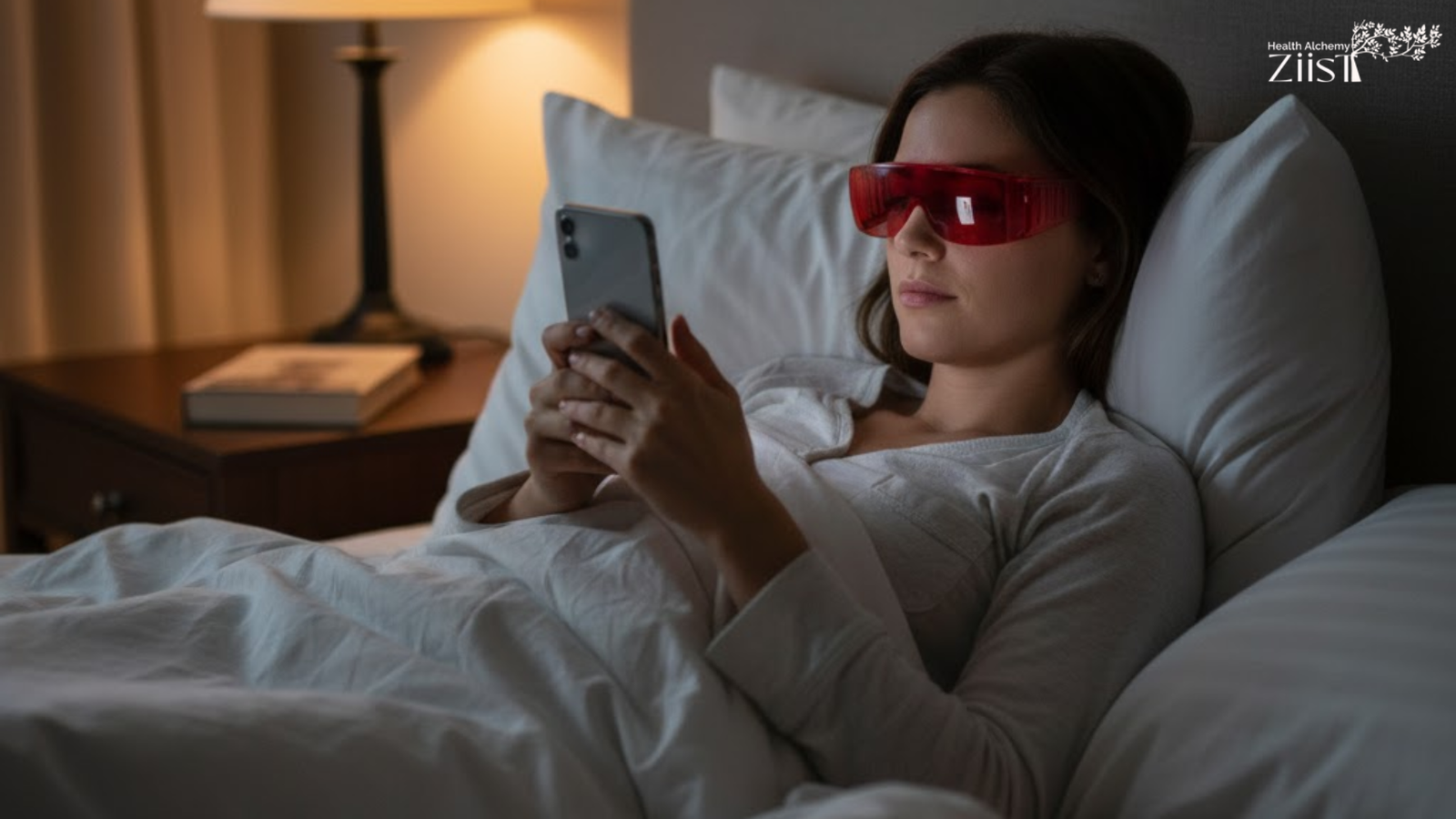
Wearing Ziist Blue Light Blocking Shades during evening screen time is one of the most effective ways to protect your circadian rhythm.
The lenses filter harmful HEV wavelengths, allowing your brain to wind down naturally even while using devices.
Better melatonin production
Improved sleep onset
Reduced eye strain and headaches
Calmer mind before bed
More steady mood and energy
By filtering out stimulating blue frequencies, the shades support deeper relaxation and signal your body to transition into nighttime mode.
Boosts alertness
Supports mood
Enhances focus
Helps regulate circadian rhythm
Blocks melatonin
Triggers cortisol
Causes overstimulation
Delays sleep cycle
Understanding this balance is the key to managing exposure effectively.
Wear Blue Light Blocking Shades after sunset
This is the simplest, most effective method.
Turn on “Night Mode” or warm filters
Most devices now offer blue light reduction features.
Dim your screens in the evening
Lower brightness reduces HEV intensity.
Avoid screens 60 minutes before bed
Even a short digital detox helps melatonin rebound.
Use warm lighting in your bedroom
Replace bright white lights with amber or warm-toned bulbs.
Limit late-night multitasking
Screens + stress amplify melatonin suppression.
Better sleep leads to:
Sharper cognitive performance
Faster processing speed
Better problem-solving
Emotional stability
Higher morning energy
Many people report fewer headaches, reduced fatigue, and improved focus after just a week of managing their blue light exposure.
People who use gadgets at night
Office workers under LED lighting
Students attending online classes
Gamers and digital creators
Individuals with insomnia or late-night anxiety
Anyone struggling with inconsistent sleep
The shades are lightweight, stylish, and easy to include in your nighttime routine.
Blue shade light isn’t harmful in itself — the timing of exposure is the real issue. Evening screen time, LED lights, and digital overstimulation confuse the brain, delay sleep, elevate stress, and reduce next-day performance.
By using practical tools like Ziist Blue Light Blocking Shades and following mindful light habits, you can protect your circadian rhythm, improve sleep quality, and wake up refreshed.
For even deeper relaxation insights, explore:
👉 Experts Reveal the Truth About Sleep Supplements Magnesium for Anxiety
Understanding both light management and mineral balance creates a holistic approach to better nights and brighter days.
Perks, first drops, sleep science.
shut up & sleep
Also Available on


© 2026 ZIIST. All rights reserved.
theziist.com