
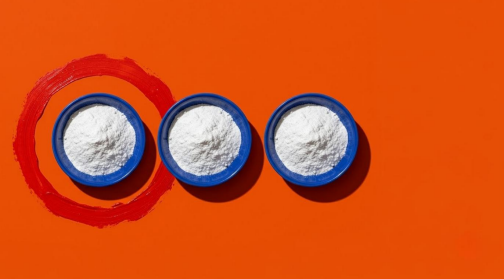
Three forms dominate the Indian sleep shelf. Only one of them is a good choice for sleep, and it is not the cheapest.
Glycinate — the answer for sleep
Magnesium bound to glycine.
Well absorbed, with good bioavailability relative to other forms
Gentle on digestion, with the lowest laxative effect of the three
Glycine itself has independent sleep relevance — it has been studied for lowering core body temperature and improving subjective sleep quality
Roughly 14 percent elemental magnesium by weight, so check the elemental figure rather than the compound weight
More expensive than oxide, and the difference is justified
If your goal is sleep, this is the form. The rest of this article explains why the alternatives are not.
Citrate — good, with a caveat
Magnesium bound to citric acid.
Well absorbed, second only to glycinate among common forms
Inexpensive and widely available in India
Around 16 percent elemental magnesium by weight
The problem: a pronounced laxative effect at higher doses, because citrate draws water into the intestine
At a low dose it is perfectly reasonable. At 300 to 400 mg elemental, which is where the sleep research sits, many people find the digestive effect unacceptable.
Genuinely excellent if constipation is also on your list. Suboptimal if it is not.
Oxide — avoid for sleep
Magnesium bound to oxygen. The cheapest form and the most widely sold in India.
Bioavailability commonly cited around 4 percent — the vast majority passes through
Around 60 percent elemental magnesium by weight, which is why the label numbers look so good
Its genuine clinical use is as a laxative and antacid
Cheap to manufacture, which is why budget products default to it
This is the trap. A 400 mg magnesium oxide tablet advertises a high elemental figure and delivers very little usable magnesium. It is not a scam — oxide is real magnesium — but it is the wrong tool for sleep and it dominates the shelf.

Absorption — glycinate high, citrate high, oxide very low
Digestive tolerance — glycinate excellent, citrate poor at dose, oxide poor
Elemental percentage by weight — glycinate ~14%, citrate ~16%, oxide ~60%
Cost — glycinate highest, citrate moderate, oxide lowest
Best use — glycinate for sleep, citrate for constipation, oxide for constipation or antacid
Note the tension in that list: oxide has the best elemental percentage and the worst absorption. That combination is precisely what makes it misleading on a label.

Many Indian products blend forms. This can be legitimate or it can be a way to include a small amount of glycinate for the label while oxide does the bulk of the weight.
If a product lists multiple forms, look for individual quantities. If it gives only a total, assume the cheap form dominates.

Buy glycinate. Target 200 to 400 mg elemental in the evening. Confirm the elemental figure is stated. Give it three to four weeks.
If cost is the binding constraint, citrate at a lower dose is a reasonable compromise. Oxide is a false economy for this purpose.
This article is for general information and is not medical advice. Consult a qualified doctor before starting magnesium, particularly if you have kidney disease.

Perks, first drops, sleep science.
shut up & sleep
Also Available on


© 2026 ZIIST. All rights reserved.
theziist.com