
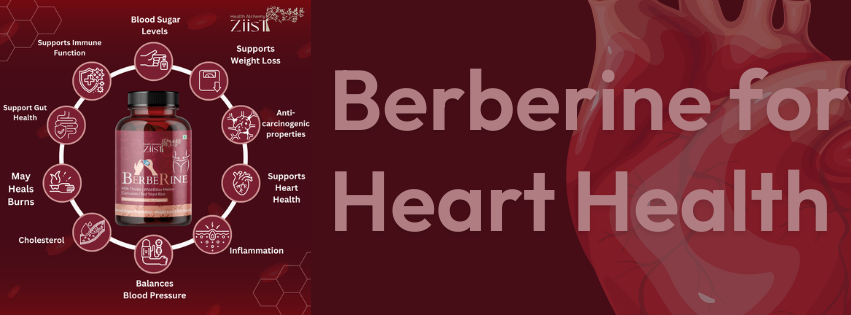
Berberine, a fascinating natural compound found in plants like barberry and goldenseal, has emerged as a topic of increasing interest in the realm of heart health. While traditionally used in Traditional Chinese Medicine (TCM) for various ailments, modern research is shedding light on its potential benefits for our cardiovascular system.
Maintaining healthy cholesterol levels is a cornerstone of heart health. Excess "bad" cholesterol (LDL) can build up in arteries, narrowing them and increasing the risk of heart disease and stroke. "Good" cholesterol (HDL), on the other hand, helps remove LDL from the bloodstream.
This is where berberine enters the picture. Early research suggests that berberine may hold promise for supporting healthy cholesterol levels and promoting overall heart health. In the following sections, we'll delve deeper into the science behind berberine's potential impact on cholesterol and explore its broader contributions to a healthy heart.
Cholesterol, a waxy substance produced by the liver and found in certain foods, plays a vital role in various bodily functions. However, imbalances in cholesterol levels can pose significant health risks. Let's break down the different types of cholesterol and understand how berberine may influence them:
Several factors contribute to high cholesterol, including genetics, diet, and lifestyle habits. Here's where berberine's potential comes into play. Studies suggest that berberine may work in multiple ways to support healthy cholesterol levels:
It's important to note that the research on berberine and cholesterol is ongoing. While these potential mechanisms are promising, further studies are needed to fully understand the long-term effects of berberine on cholesterol control.
While berberine's potential impact on cholesterol control is a significant area of interest, its potential benefits for heart health extend beyond this realm. Let's explore some additional ways berberine may contribute to a healthy cardiovascular system:
Supporting Healthy Blood Pressure: High blood pressure, a major risk factor for heart disease and stroke, can be positively influenced by berberine. Early research suggests that berberine may help regulate blood pressure by potentially relaxing blood vessels and improving blood flow.
Anti-inflammatory Properties and Heart Health: Chronic inflammation plays a significant role in the development of various cardiovascular diseases. Berberine's potential anti-inflammatory properties are being explored in relation to heart health. By potentially reducing inflammation in blood vessels and tissues, berberine may contribute to a healthier cardiovascular system.
Emerging Research on Other Heart Health Markers: Studies are investigating the potential impact of berberine on other markers associated with heart health. One such marker is homocysteine, an amino acid that can contribute to heart disease risk when elevated. Early research suggests that berberine may help lower homocysteine levels, potentially reducing cardiovascular risk.
It's important to remember that the research on berberine and its broader heart health benefits is still evolving. While these potential effects are encouraging, more studies are needed to definitively confirm them and understand the underlying mechanisms.
The potential of berberine for supporting heart health is a captivating area of exploration, but a strong foundation of research is crucial. This section will delve into the scientific evidence behind berberine's cholesterol-lowering and heart-protective properties.
It's important to remember that these are preliminary findings. Many studies involve relatively small participant groups, and larger, long-term studies are needed to definitively confirm berberine's efficacy and safety for cholesterol control.
While the current research on berberine and heart health is encouraging, limitations exist. The limitations highlight the need for further research to fully understand berberine's potential role in heart health. The next section will explore practical considerations for using berberine, including recommended dosages, potential side effects, and important drug interactions, as you navigate your heart health journey.
Berberine's potential for supporting heart health is intriguing, but before incorporating it into your routine, it's crucial to understand proper usage and potential drawbacks. This section will equip you with the knowledge you need to make informed decisions as you navigate your heart health journey.
5.1 Finding the Right Dose: How Much Berberine is Needed for Heart Health?
There is currently no universally established dosage for berberine supplementation specifically for heart health. However, research suggests a range of 1,000-1,500 mg per day may be effective in supporting healthy cholesterol levels. Many berberine supplements come in capsule form, with each capsule containing around 500mg. Supplement labels often recommend taking berberine three times a day before meals, totaling the recommended daily intake.
It's important to remember that this is a general guideline. Consulting a healthcare professional is vital to determine the appropriate dosage for your individual needs and health situation. They can consider factors like your overall health, cholesterol levels, medications you're taking, and any potential interactions.
5.2 Navigating Side Effects: What to Expect When Taking Berberine
Most people tolerate berberine well at recommended dosages. However, some may experience digestive side effects, including:
These side effects are often mild and temporary, and may lessen with continued use or by taking berberine with meals. If you experience severe or persistent side effects, discontinue use and consult your doctor.
5.3 Important Drug Interactions: Knowing When to Be Cautious
Berberine may interact with certain medications, particularly those used to manage heart health conditions. If you take any medications, it's crucial to speak to your doctor before starting berberine supplementation. Here are some potential interactions to be aware of:
This section tackles common questions people have when considering berberine for heart health:
While generally well-tolerated, berberine may not be suitable for everyone, especially those with certain heart conditions. Pregnant or breastfeeding women, individuals with severe liver or kidney disease, and those taking specific heart medications (like statins or blood thinners) should avoid berberine unless explicitly advised by a doctor.
Early research suggests berberine may be effective in lowering cholesterol, but it should not be considered a replacement for prescribed medications. Your doctor can determine the best course of treatment for your individual needs, which may involve a combination of medication, lifestyle modifications, and potentially berberine supplementation.
A healthy lifestyle is crucial for promoting heart health. Alongside berberine (if recommended by your doctor), consider incorporating these changes:
* **Healthy Diet:** Focus on a diet rich in fruits, vegetables, whole grains, and lean protein. Limit saturated and trans fats, processed foods, and added sugars.
* **Regular Exercise:** Aim for at least 150 minutes of moderate-intensity exercise or 75 minutes of vigorous-intensity exercise per week.
* **Maintain a Healthy Weight:** Excess weight can increase your risk of heart disease. Work with your doctor to establish a healthy weight goal and create a plan to reach it.
* **Manage Stress:** Chronic stress can contribute to heart health issues. Practice relaxation techniques such as yoga or meditation to manage stress effectively.
By combining a healthy lifestyle with potential berberine supplementation (as guided by your doctor), you can create a comprehensive approach to supporting your heart health.
Berberine supplements are becoming increasingly available. Look for reputable brands at health food stores, online retailers, or pharmacies. When choosing a supplement, ensure it comes from a trusted source and offers clear labeling regarding dosage and ingredients. Look for third-party certifications that indicate the supplement has been tested for purity and potency.
Berberine's journey from a traditional remedy to a subject of scientific exploration in the realm of heart health is captivating. The potential to support healthy cholesterol levels and potentially contribute to broader cardiovascular well-being is a promising avenue for future research.
Key Takeaways:
Looking Ahead: Unlocking Berberine's Full Potential
The future of berberine research in the context of heart health is brimming with possibilities. Here are some exciting areas for further exploration:
While further research is necessary, the initial findings on berberine's impact on heart health are encouraging. As we continue to learn more about this fascinating natural compound, its potential to contribute to a healthier heart future seems bright.
Perks, first drops, sleep science.
shut up & sleep
Also Available on


© 2026 ZIIST. All rights reserved.
theziist.com